Why Isn't It Called Ayers Rock Anymore?
Uluru is the Anangu name for the rock long labelled Ayers Rock. Here is how the name changed, what Handback in 1985 set in motion, and why both names still appear today.
Why Isn't It Called Ayers Rock Anymore?
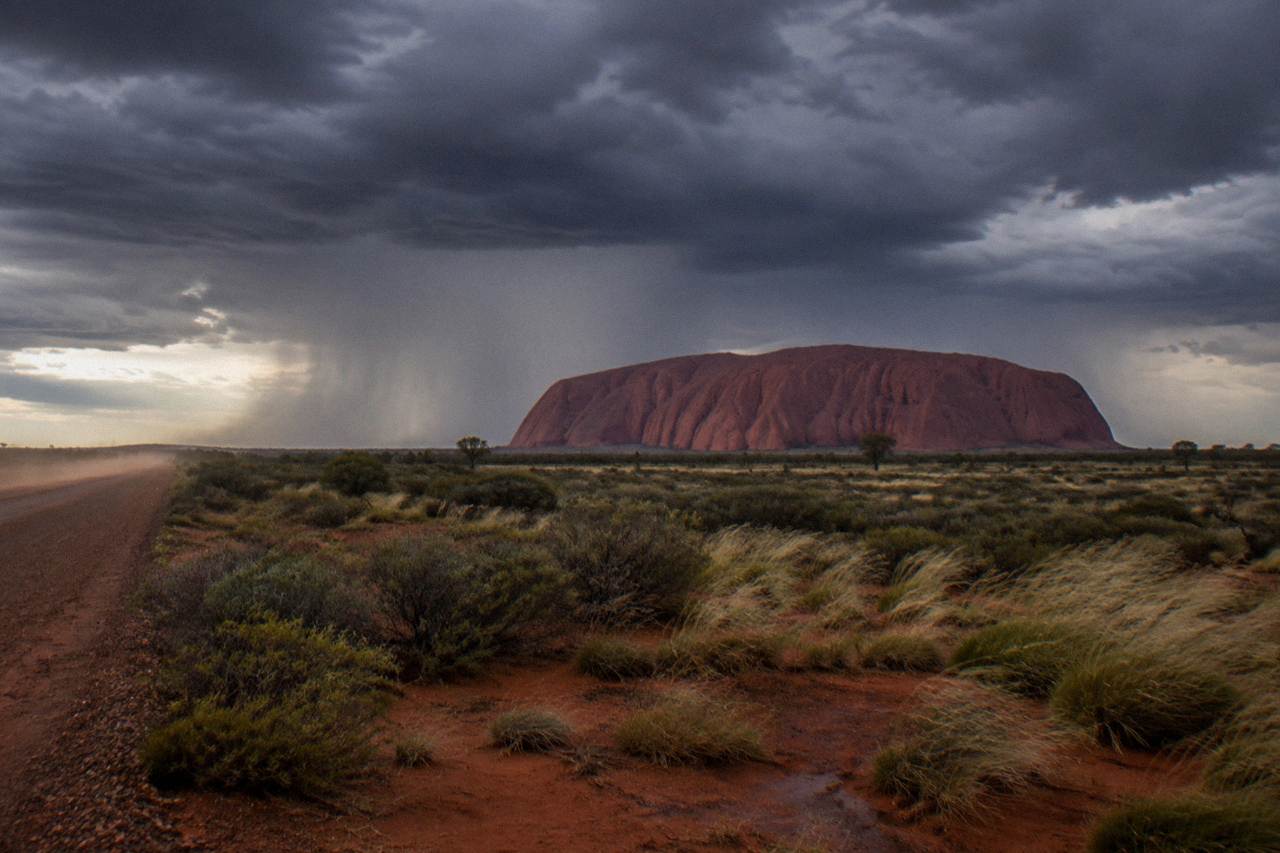
The rock's official name is Uluru, the name its Anangu Traditional Owners have always used, and Ayers Rock is the older colonial label that has been retired from formal use. The park's own pages state it directly: Uluru, formerly known as Ayers Rock. The change was not a rebrand; it was the restoration of a name that existed long before the outside one was written onto a map.
The handback of the land to Anangu on 26 October 1985 set the restoration in motion, and the permanent closure of the climb on 26 October 2019, the 34th anniversary of that handback, closed the chapter. Both dates come from the park's own history pages, and both matter to understanding why the sign at the gate now reads Uluṟu-Kata Tjuṯa National Park.
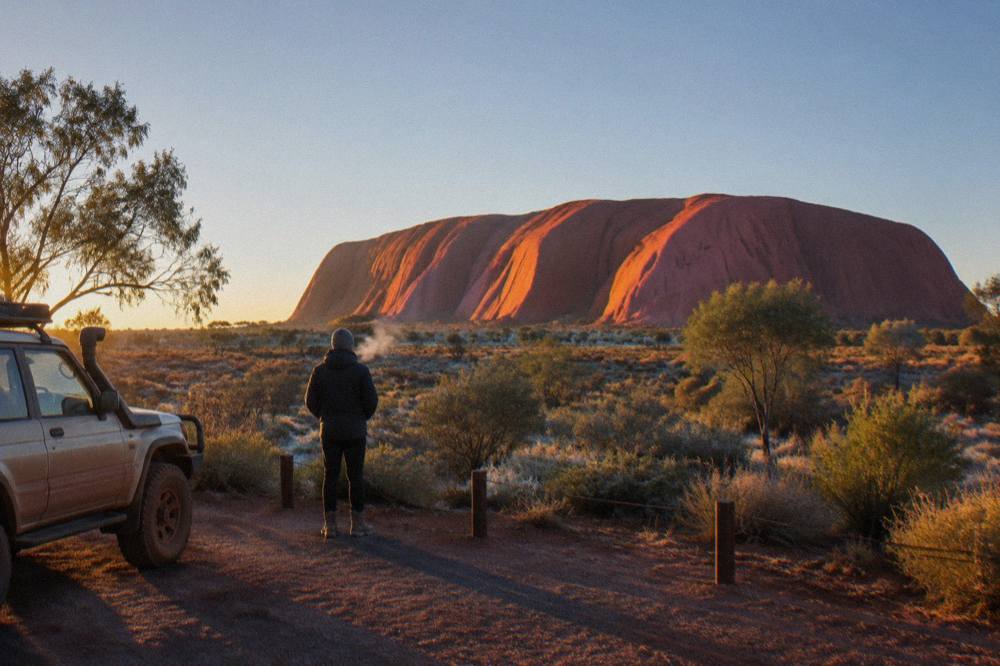
Uluru is sandstone about half a billion years old, standing 348 metres high with a circumference of 9.4 kilometres, as the park's official highlight page records. Kata Tjuta, formerly known as the Olgas, is a separate formation 50 kilometres away by road: 36 steep-sided domes covering more than 20 square kilometres and rising up to 546 metres above the plain. Its name is a Pitjantjatjara term meaning 'many heads'. The two formations together give the park its double name, and both carry the same pattern: an Anangu name that is now official, and an older English name that has not disappeared from everyday speech. If the story behind the names has you curious about the rock itself, our guide to what makes Uluru so special goes deeper into its geology and its meaning for the Anangu.
If you are planning around the change rather than just reading about it, three tours work well with the two-name story, since each one puts a licensed guide between you and the geography.
What Does The Name Uluru Actually Mean?
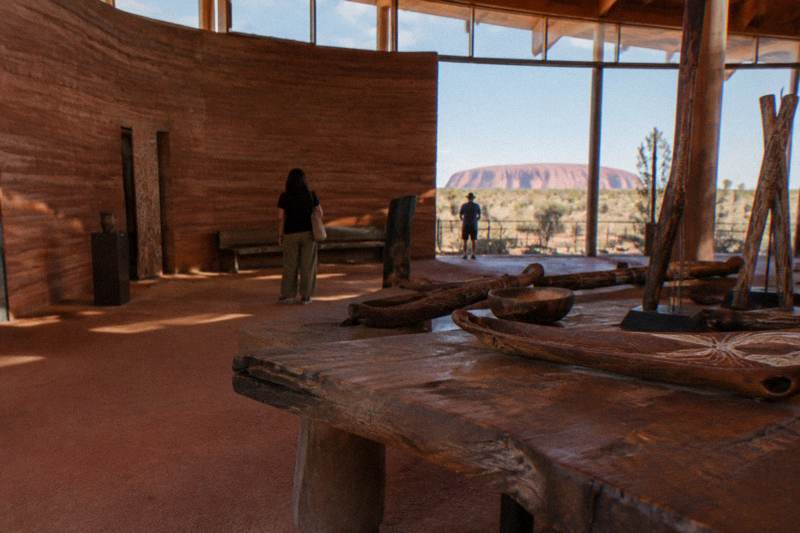
Uluru is a personal Anangu name for the rock, not a descriptive word, and it was never a translation of Ayers Rock or a replacement invented for tourism. It is the name the Traditional Owners of the land have used for the formation throughout their occupation of the country. The park treats it as a proper noun with deep cultural standing, which is also why some Tjukurpa detail connected to the site is not published for visitors.
That last point shapes a lot of the public information around Uluru. Anangu, the park's Traditional Owners, share their country with visitors on the understanding that some knowledge is not for general circulation. The park's cultural pages name Anangu as the custodians and explain that the park is jointly managed. What the public record holds is the naming itself: Uluru is the Anangu name, Ayers Rock is the older one, and the official pages now list the second only as a former name.
The distinction is not pedantry. A name carried by a people for that long is a document of ownership, and the official switch to Uluru tracks the legal story of the land: claim, handback, joint management. When you read "formerly known as Ayers Rock" on a park sign, you are reading the end of a process, not a marketing refresh.
When Did Uluru Become The Official Name?
The decisive date was 26 October 1985, when the land was handed back to Anangu ownership, an event the park itself calls Handback. The permanent closure of the climb on 26 October 2019, exactly 34 years later, confirmed how complete the shift had become. Those two dates, both drawn from the park's own history pages, frame the whole naming story.
The 2019 closure decision was made unanimously by the park's Board of Management in November 2017 and took effect on 26 October 2019, chosen deliberately as the handback anniversary. The park states that climbing was not generally permitted under Tjukurpa, Anangu law and culture, in any case, and that attempting the climb now breaches the EPBC Act with penalties attached. The park's climb closure page records the decision and its reasoning in full.
After 1985 the park entered joint management, with Anangu and the government sharing decisions through a board that includes Traditional Owner members. The name on the park followed the ownership. Practical changes for visitors came gradually after that, and today every official sign, pass and map uses Uluṟu-Kata Tjuṯa, with the former names carried as historical notes.
| The naming story at a glance | Detail | Source in the official record |
|---|---|---|
| Uluru | Anangu name, now official | Park highlight pages |
| Ayers Rock | Former name, still widely searched | Park pages: "formerly known as" |
| Kata Tjuta | Pitjantjatjara, "many heads", now official | Kata Tjuta highlight page |
| The Olgas | Former name for the 36 domes | Kata Tjuta highlight page |
| Handback | 26 October 1985 | Derived from the park's own 34th-anniversary framing |
| Climb closure | 26 October 2019, permanent | Park climb closure page |
One point worth pausing on: no other naming dates belong in this story. The verified record supports the handback date, the closure date, and the "formerly known as" framing, and this article sticks to those. Writers who reach for surveyor names or gazettal years from memory tend to get them wrong, and none of those details appear in the park's own published account.
Is Kata Tjuta Also A Renamed Place?
Yes. Kata Tjuta, formerly known as the Olgas, follows exactly the same pattern as Uluru: an Anangu-language name that is now official, and an English former name that survives in speech and search. The park's Kata Tjuta page uses the same "formerly known as" formula. The name is Pitjantjatjara for 'many heads', which fits a group of 36 domes spread over more than 20 square kilometres.
The domes are a different kind of country from Uluru even though the two sit in the one park. Kata Tjuta's highest point rises to 546 metres above the surrounding plain, which makes it taller than Uluru's 348 metres, a fact that surprises plenty of first-time visitors. The official Kata Tjuta page carries those figures, and the Uluru page carries the matching set for the rock: 348 metres high, 9.4 kilometres around, sandstone about half a billion years old.
Kata Tjuta also carries stricter cultural rules for visitors, and they connect to the naming story. The Valley of the Winds walk passes through an area the park identifies as a men's site, where photographing the formations themselves is prohibited, though close-ups of plants, animals and people are welcome. At Walpa Gorge, visitors are asked to keep both sides of the gorge in frame. These rules, like the names, come from Anangu, and the park simply publishes them.
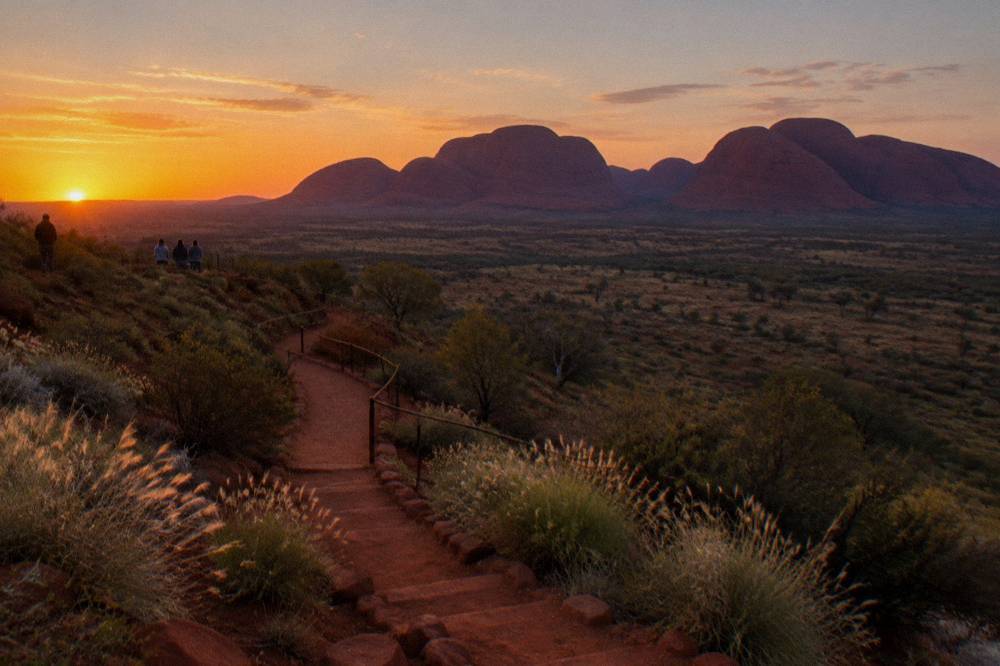
For visitors who want to stand among those domes with a guide, the small-group Kata Tjuta options are the direct route. The Kata Tjuta Sunrise, Breakfast tour from SEIT Tours runs five hours from Yulara, from A$249 per person, rated 4.8 from 255 reviews, and its listing carries free cancellation with a cutoff six days before start. A guest review captures the appeal: "Beautiful way to wake up. The sunrise was a magical experience and the hike through the gorge was stunning. Andy was a great guide and having a light breakfast was fun."
Why Do People Still Say Ayers Rock?
Because the old name had more than a century of use behind it, and because search behaviour follows speech. "Ayers Rock" still drives enormous query volume, which is why airlines, car hire desks and plenty of signage around the region still use it: the airport at Yulara is Ayers Rock Airport, and the resort is Ayers Rock Resort. Official naming changed; commercial naming largely kept the familiar word.
None of that is a slight. The park itself keeps the connection visible with the "formerly known as Ayers Rock" line rather than pretending the old name never existed. Ayers Rock is described on this site's facts as the older name and still the widely searched one, and both things are true at once: the official name is Uluru, and a large share of travellers arrive having only ever heard the other word.
The practical upshot for a visitor is that you will meet both names in the wild. Your flight lands at Ayers Rock Airport (also called Connellan Airport) at Yulara. Your hotel sits inside Ayers Rock Resort. Your park pass is for Uluṟu-Kata Tjuṯa National Park, and it costs $38 for an adult for three days, under 18 free, valid for this park only and stated separately on every tour listing. Once you know both words point at the same places, the mixed vocabulary causes no confusion at all.
If you are still curious how the two formations compare in height, age and walking time, we cover the numbers in which rock formation is taller, including why Kata Tjuta's highest dome beats Uluru.
What Does The Name Change Mean For Visiting Today?
Very little friction, and one genuine benefit: every official resource uses the Anangu names, so signs, passes and safety information are consistent, while tours, flights and hotels keep the old vocabulary where it helps travellers find them. The one thing the naming story should change is how you behave once you arrive, since the same authority that restored the name also set the cultural rules visitors follow.
Those rules are concrete. The climb is closed, permanently, since 26 October 2019, and attempting it breaches the EPBC Act. Culturally sensitive sites at both Uluru and Kata Tjuta are signed, and photographing those specific sites is prohibited, while wide shots of Uluru from a distance are fine. Drones are prohibited in the park under the same Act. In heat, the park advises walking only in the cooler morning hours, finishing before 11.00 am, carrying at least one litre of water per person per hour, and avoiding walking between 2.30 pm and 6.30 pm in summer. Emergencies: 000 or 112.
The free options inside the park also carry the Anangu framing. The ranger-guided Mala walk is free for park visitors, runs at set times through the year, and is led in the tradition of the story the walk tells. The Cultural Centre, open 7.00 am to 5.45 pm daily, presents the park through Anangu eyes, and the base walk itself, about 10 kilometres around the full circumference, is open to anyone with a pass. For the fuller picture of what costs nothing beyond the pass, see the free things to do guide.
Guided tours add what the free options cannot: transport, a licensed guide, and in most cases food. The roster's small-group Full Base Walk, Small Group tour from SEIT Tours covers the whole 10 kilometres at sunrise with breakfast, from A$249 per person, rated 4.8 from 460 reviews, with free cancellation listed at a cutoff six days before start. One guest review reads: "This was an excellent tour. The guide was incredibly knowledgeable and enjoyable. I would highly recommend this wonderful experience."
For a different pace again, the Segway Full Base Loop from Uluru Segway Tours, from A$259 per person and rated 4.9 from 499 reviews, covers the circumference on two wheels in five hours, and its listing notes free cancellation with a 24-hour cutoff. A reviewer who was unsure at first put it this way: "I wasn't sure I could manage the Segway but it became very comfortable. The team were very helpful and info. So, so pleased we did it!"
How Do You See Both Names' Country In One Trip?
Base yourself at Yulara and pick tours that pair Uluru with Kata Tjuta, since the two formations sit 50 kilometres apart by road and every roster tour departs from the resort. The Bus Sunrise, Kata Tjuta Combo from AAT Kings does both in five hours: sunrise at Uluru, then Kata Tjuta, from A$186 per person, rated 4.6 from 603 reviews.
That combo is this site's featured pick for the naming story, and the reasoning is simple. A traveller who has just learned that Uluru and Ayers Rock are one place, and that Kata Tjuta and the Olgas are another, benefits most from a single day that puts both formations in front of them with a guide narrating. The tour includes resort pickup, and its listing carries free cancellation with a cutoff 24 hours before start. A guest named Maddison left this on the listing: "Very good tour and the guides, Dani and Regi, were amazing. They were knowledgeable and friendly, and made sure the tour was prompt so we could visit everywhere with enough time to enjoy ourselves. Thanks for a great tour!"
Beyond that combo, the choice widens by format. The same five-hour coach pattern also exists with a light breakfast on the Guided Sunrise Walk, Light Breakfast tour, from A$186 per person, rated 4.6 from 318 reviews. The sunset version with wine and a cheeseboard, the Sunset Wine And Cheeseboard tour from AAT Kings, also runs from A$186 and is rated 4.5 from 515 reviews, and pairs nicely with the sunrise combo for travellers who want the rock at both ends of the day. The small-group alternatives from SEIT Tours sit at from A$249 and trade coach scale for a dozen or so guests.
| Tour (decision name) | Operator | From (per person) | Rating and reviews | Duration | Format |
|---|---|---|---|---|---|
| Bus Sunrise, Kata Tjuta Combo | AAT Kings | A$186 | 4.6, 603 reviews | 5 hours | Coach, large group |
| Guided Sunrise Walk, Light Breakfast | AAT Kings | A$186 | 4.6, 318 reviews | 5.5 hours | Coach, large group |
| Sunset Wine And Cheeseboard | AAT Kings | A$186 | 4.5, 515 reviews | 5 hours | Coach, large group |
| Full Base Walk, Small Group | SEIT Tours | A$249 | 4.8, 460 reviews | 6 hours | Small group |
| Kata Tjuta Sunrise, Breakfast | SEIT Tours | A$249 | 4.8, 255 reviews | 5 hours | Small group |
| Segway Full Base Loop | Uluru Segway Tours | A$259 | 4.9, 499 reviews | 5 hours | Small group on Segways |
Prices vary by date and group size, so treat every figure as a "from" price and read the live listing before booking. Cancellation cutoffs differ tour by tour, including between tours run by the same operator, so check the specific listing rather than assuming a blanket rule.
Does The Old Name Offend Anyone?
Using "Ayers Rock" in conversation is not the issue the official record concerns itself with; the park keeps the former name printed beside the current one. What Anangu and the park ask of visitors is different and specific: respect the closed climb, respect the signed no-photo sites, and respect that Uluru and Kata Tjuta are living cultural landscapes, not backdrops. The name you use matters far less than the behaviour that comes with it.
That framing comes straight from the joint-management model. Anangu are named on the park's own pages as the Traditional Owners, the board that made the closure decision includes Traditional Owner members, and the decision itself was unanimous. When the park states that climbing was not generally permitted under Tjukurpa, it is publishing Anangu law in the park's own voice. The renaming and the rules come from the same source of authority.
So the honest answer to a traveller wondering what to say is: say either, both are understood, and know the story. If someone asks why the sign says Uluru, you can answer that the rock carries its Anangu name again, that Ayers Rock was the name given from outside, and that the handback on 26 October 1985 began the change. If you want the deeper background on the climb decision and what replaced it, the climb ban explained covers the closure and the experiences that have grown up around it, and this site, Uluru Australia Tours, keeps the full roster of guided options in one place.
Before you go, the same three tours that pair best with the naming story also happen to be three of the strongest day options from Yulara, so they are worth one last look side by side.
Common Questions About Why It Isn't Called Ayers Rock Anymore
Why isn't it called Ayers Rock anymore?
The official name is Uluru, the Anangu name for the rock, and the park's own pages list Ayers Rock only as a former name. The handback of the land to Anangu on 26 October 1985 began the shift, and joint management has carried it since. Ayers Rock survives in everyday speech, in search, and in commercial names like Ayers Rock Airport and Ayers Rock Resort.
When did Uluru become the official name?
The land was handed back to Anangu ownership on 26 October 1985, the event the park calls Handback, and the official naming of the park and rock as Uluṟu followed that ownership change under joint management. No single renaming ceremony date appears in the park's published record; the 1985 handback and the 2019 climb closure, on the handback's 34th anniversary, are the two anchors the park itself uses.
Is it wrong to say Ayers Rock?
No. The park prints "formerly known as Ayers Rock" on its own pages, the airport and resort keep the name, and it remains one of the most-searched terms for the destination. Both names are understood locally. What matters to the park and to Anangu is visitor behaviour on the ground: the closed climb, the signed no-photo sites, and respect for the site as a living cultural landscape.
Is Kata Tjuta the same kind of name change?
Yes. Kata Tjuta, formerly known as the Olgas, is the official Pitjantjatjara name, meaning "many heads", for the 36 domes 50 kilometres from Uluru. The park's Kata Tjuta page uses the same "formerly known as" formula it uses for Uluru.
What do the names mean?
Uluru is a personal Anangu name for the rock rather than a descriptive word. Kata Tjuta is a Pitjantjatjara term meaning "many heads". Neither is a translation of the English former names; both predate them.
Do I need to know the naming history to visit?
No, but it helps you read the park correctly. The pass, the signs, the closed climb and the photography rules all make more sense once you know the land was handed back to Anangu in 1985 and is jointly managed today. A guided tour from Yulara is the easiest way to hear that context from a licensed guide on site.