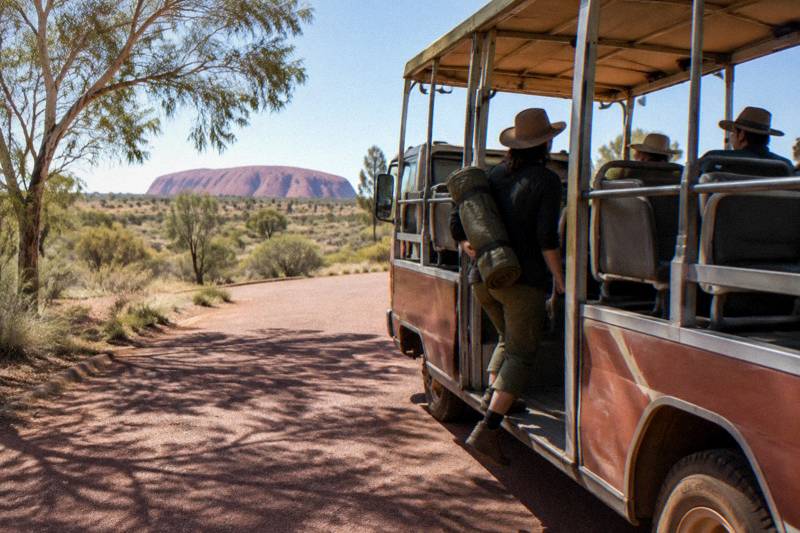
Free Things To Do At Uluru: What Costs Nothing Beyond The Park Pass
Uluru rewards visitors who arrive with a park pass and nothing else booked. Four experiences inside Uluru-Kata Tjuta National Park cost nothing beyond that pass, and this guide explains each one honestly, including the moments where a paid tour genuinely adds something.
Short answer
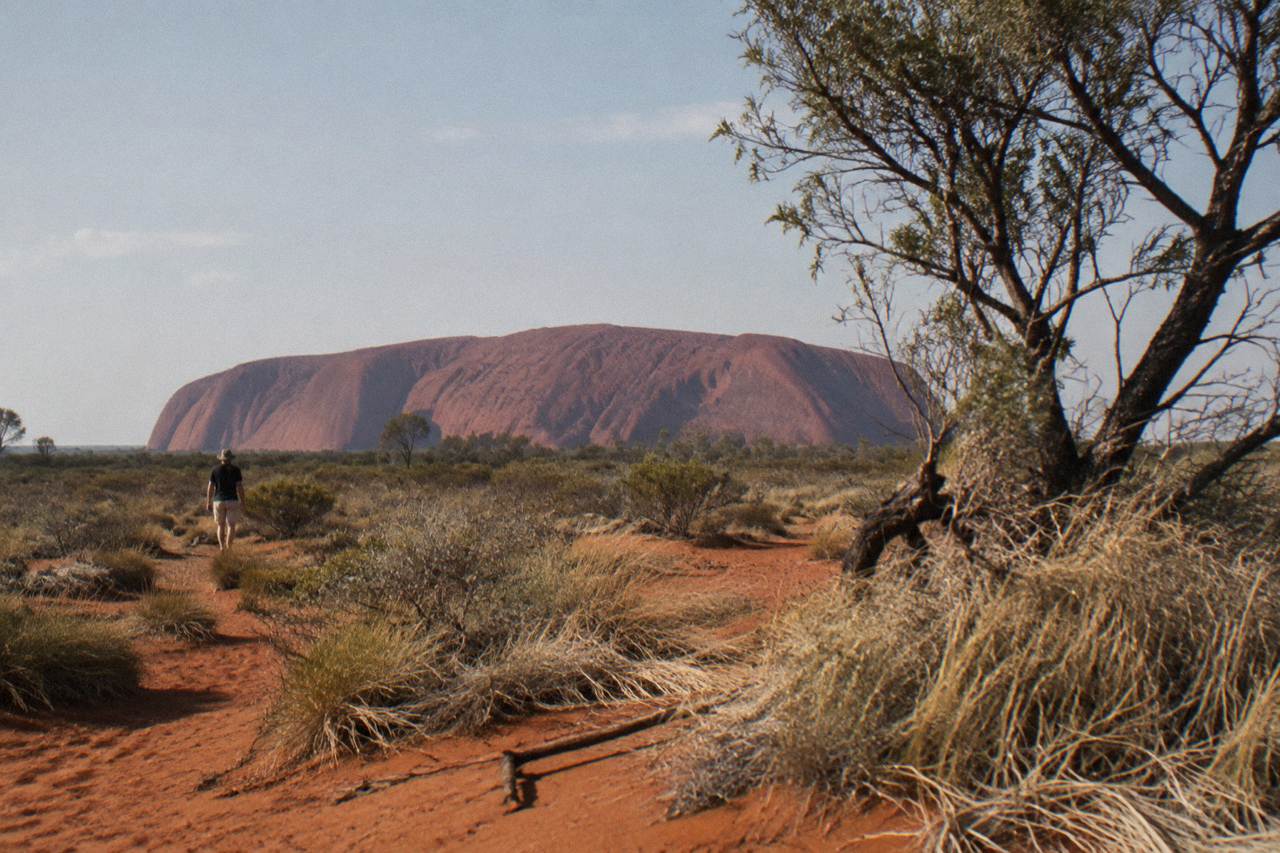
Four things at Uluru are free once you hold a park pass: the ranger-guided Mala walk, the Uluru base walk, the sunrise and sunset viewing areas, and the Uluru-Kata Tjuta Cultural Centre. The pass itself is not free: A$38 for an adult for 3 days, children under 18 free, and every tour listing states the fee separately.
Uluru has a reputation as an expensive destination, and parts of it are. Resort dining, scenic flights and multi-day camping tours all carry real price tags. But the rock itself, and much of what makes the park worth visiting, sits behind a single A$38 adult park pass that covers three consecutive days. Once you hold that pass, four genuinely free experiences open up: the ranger-guided Mala walk, the full base walk around Uluru, the five sunrise and sunset viewing areas, and the Uluru-Kata Tjuta Cultural Centre.
This guide, from Uluru Australia Tours, walks through each one in detail. It is written for the budget traveller who wants to know exactly what is free, what the pass covers, and where a paid tour such as the three-hour sunrise highlights tour genuinely adds something the free options cannot. There is no free or pay-what-you-want walking tour operating at Uluru or in Yulara, so this guide does not pretend one exists. What exists is listed below, with times, distances and costs taken from the park's own pages.
What Is Actually Free At Uluru?
Four experiences inside Uluru-Kata Tjuta National Park cost nothing beyond your park pass: the ranger-guided Mala walk, the 10 km Uluru base walk, the five sunrise and sunset viewing areas, and the Uluru-Kata Tjuta Cultural Centre. The pass itself is a separate cost, A$38 per adult for 3 days, and children under 18 enter the park free. Tour listings state the pass fee separately, so no booked tour absorbs it.
That list is short but substantial. The base walk is the park's signature experience, a full circuit of a monolith with a 9.4 km circumference, and doing it costs nothing but water, time and early-morning discipline. The ranger-guided Mala walk runs daily and is described by the park as free for park visitors, which is an unusually generous inclusion: a trained guide explaining Anangu culture at no charge beyond entry.
The viewing areas are the park's most photographed spaces and they carry no additional fee. The Cultural Centre, with its Tjukurpa Tunnel and information room, is free to enter and open from 7.00 am to 5.45 pm every day. Between these four, a visitor could fill two full days without spending another dollar inside the park.
| Free experience | What it involves | Time needed | Extra cost beyond the pass |
|---|---|---|---|
| Ranger-guided Mala walk | Guided 2 km return walk to Kantju Gorge with a ranger | About 1 to 2 hours | None |
| Uluru base walk | Full 10 km circuit of Uluru, self-guided | 3 to 4 hours | None |
| Sunrise and sunset viewing areas | Five dedicated viewing areas, drive-up access | 30 minutes to 1 hour | None |
| Cultural Centre | Tjukurpa Tunnel, information room, art displays | 1 to 2 hours | None |
The honest caveat is transport. Everything above is free once you are standing at the trailhead, and most trailheads are a drive from Yulara. If you have no car, the Uluru & Kata Tjuta Hop on Hop Off Pass exists for exactly this reason, from A$140 per person on its listing, which is far cheaper than a tour per day but still not free. We compared the listings so you can weigh that option against free-with-a-car itineraries later in this guide.
Why The Park Pass Is Not Free (And What It Covers)
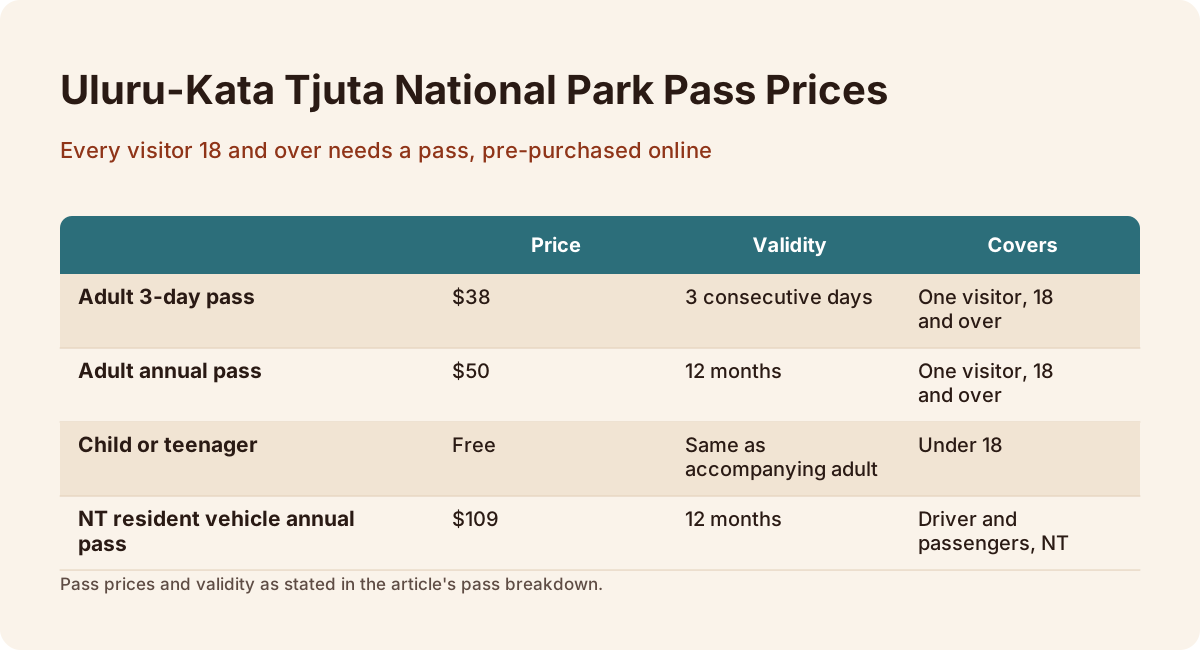
Every visitor aged 18 and over needs a park pass: A$38 for 3 consecutive days, or A$50 for an annual pass. Children and teenagers under 18 enter free. The pass is valid for Uluru-Kata Tjuta National Park only, must be pre-purchased online before you arrive at the entry station, and is stated separately on every tour listing, so it is never bundled into a tour price.
The park's own pass page sets out the terms plainly. You buy online, save the QR code to your phone or print it, and scan it at the entry station in the left-hand lane. The three-day window is consecutive, not flexible, so if you are staying four nights you should time the purchase to your park days rather than your arrival day.
One detail worth knowing, because it surprises people: the pass revenue is reinvested in the park, including Traditional Owner lease payments and ranger and cultural activities. Buying a pass is not a grudging toll, it is part of how the park's joint management with Anangu, the Traditional Owners, is funded.
| Pass type | Price | Who it covers | Validity |
|---|---|---|---|
| Adult 3-day pass | $38 | One visitor, 18 and over | 3 consecutive days |
| Adult annual pass | $50 | One visitor, 18 and over | 12 months |
| Child or teenager | Free | Under 18 | Same as accompanying adult |
| NT resident vehicle annual pass | $109 | Driver and passengers in an NT-registered vehicle | 12 months |
The practical planning point is that the pass turns several expensive-looking days into cheap ones. Each adult pays A$38 once for the three days and can then do the Mala walk, the full base walk, every viewing area and the Cultural Centre. Against that, anyone deciding whether to add paid experiences can compare cleanly: the free floor is A$38 per adult, and everything else is a deliberate add-on. For a fuller breakdown of what tours cost on top of the pass, the guide to pass conditions and our tour pricing coverage are the places to look.
For travellers whose free days are the core plan but who want one guided morning, the paid options stack up like this.
Each of the three adds something the free itinerary lacks: a guide, door-to-door transport from Yulara, and in the case of the Highlights of Uluru Including Sunrise and Breakfast tour from SEIT Tours, breakfast at a private location after sunrise, from A$189 per person with a 4.8 rating from 220 reviews. It lists free cancellation, though the cutoff on that listing is 6 days before start, a genuinely different proposition from the 24-hour cutoffs elsewhere on the roster, so read the booking page before committing.
The Free Ranger-Guided Mala Walk
The ranger-guided Mala walk is free for park visitors and runs daily: 8.00 am from October to April and 10.00 am from May to September. It covers about 2 km return from the Mala carpark to Kantju Gorge, is wheelchair accessible, and drinking water is available along it. No booking, no tour operator and no extra fee are involved; the park pass is the only entry requirement.
This is the single best free cultural offering at Uluru. A park ranger walks the Mala section of the base walk and shares the story of the Mala (rufous hare-wallaby) people and the Tjukurpa associated with the area, in the park's own framing. The park's ranger-guided activities page is the authoritative source for start times, and the seasonal shift matters: the October-to-April session starts at 8.00 am because mornings are the only humane walking window in hot months, while the May-to-September session moves to a gentler 10.00 am.
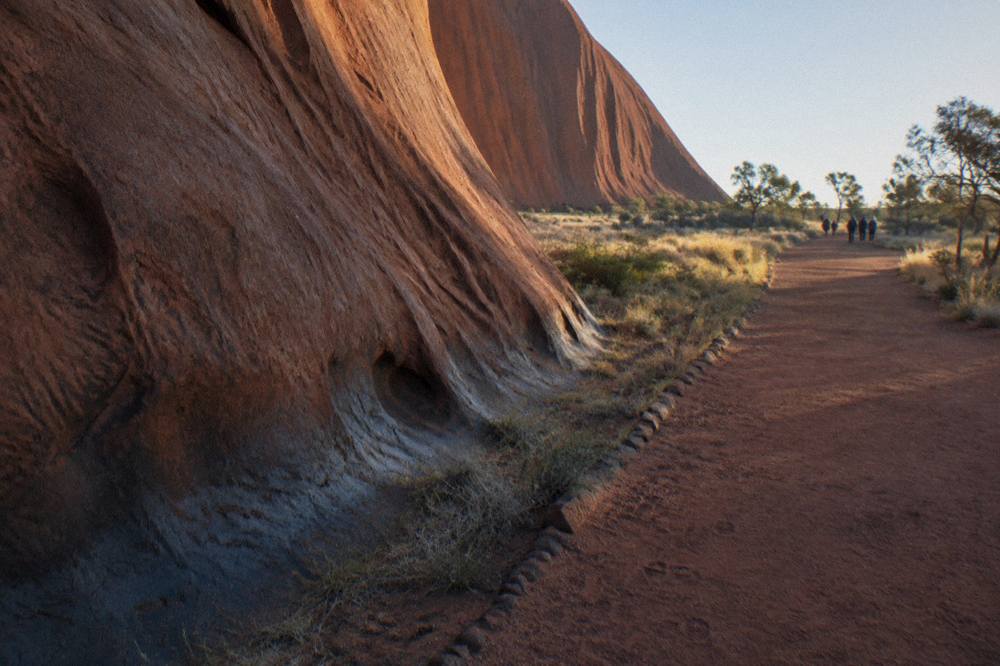
The walk itself is short and gentle. Two kilometres return, flat, on a surfaced track that the park lists as wheelchair accessible, ending at Kantju Gorge where seasonal water may sit in the rock hole after rain. The park asks visitors not to promise themselves specific wildlife or water sightings; conditions decide both. What is guaranteed is a ranger's commentary, which is the thing self-guided walkers otherwise miss.
A note on respect that applies across the whole park: culturally sensitive sites along the base walk are clearly signed, and photographing those specific spots is prohibited. Wide shots of Uluru from a distance are fine, and the park's photography page explains exactly how the north-east face rules work (see Photo Rules At Uluru). The Mala walk passes several of these signed zones, so walk it with your eyes rather than your camera.
Compared with paid cultural tours, the Mala walk is narrower in scope but unbeatable in price. The Aboriginal Homelands Experience, a full-day small-group product from SEIT Tours at from A$399 per person, goes onto private Aboriginal land with an Anangu guide, which the free ranger walk does not. A recent guest review of that tour calls it "a true privilege to spend time on private Aboriginal land with an Anangu guide sharing stories." The free walk gives you a taste; the paid day gives you depth.
Walking The Uluru Base Walk For Free
The Uluru base walk is a self-guided, roughly 10 km loop around the whole circumference of Uluru and costs nothing beyond your park pass. The park's own guidance is to start at the Mala carpark in the early morning and walk clockwise, finishing before 11.00 am in hot weather. It is the fullest free experience at Uluru and needs no booking, guide or permit.
The circuit is the best way to understand the rock's scale and variety. Each side of Uluru has a different character, different Tjukurpa associations and different signed photography rules, and the park breaks the loop into named sections: the Mala walk, the north-east face walk, the Kuniya walk to Mutitjulu Waterhole, the Lungkata walk and the Liru walk linking the Mala carpark with the Cultural Centre. Our detailed companion guide, walking the Uluru base walk, covers the sections one by one.
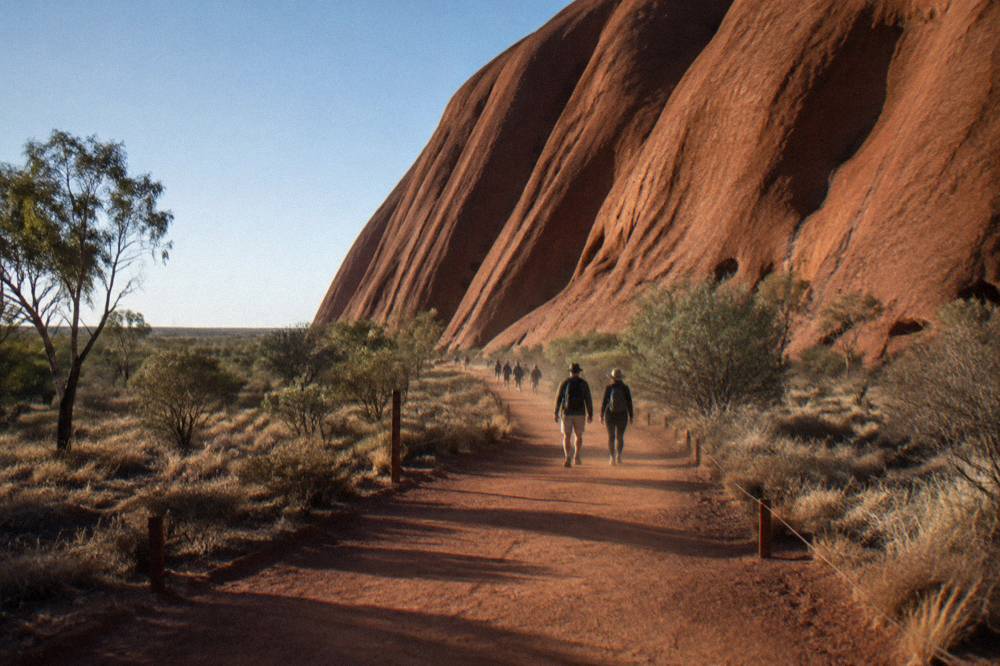
Timing is not optional advice, it is safety. The park tells walkers to carry at least one litre of water per person per hour, to avoid walking between 2.30 pm and 6.30 pm, and to be off exposed sections in the heat of the day. When the forecast or actual temperature reaches 40 C, the north-east walk closes from 11 am and the Lungkata walk closes from 2 pm. Emergency radios sit on most walks, and the emergency numbers are 000 or 112. October to March days can exceed 35 C routinely, so plan the loop as a sunrise activity.
| Base walk section | What you see | Approximate effort | Notes |
|---|---|---|---|
| Mala walk | Rock art sites, Kantju Gorge | Easy, 2 km return | Wheelchair accessible, water available |
| North-east face | Broad cliff faces, shaded corners | Easy to moderate | Wide shots only near signed zones |
| Kuniya walk | Mutitjulu Waterhole | Easy, short return | Cultural site, respect signage |
| Lungkata walk | Southern and western faces | Moderate | Closes from 2 pm at 40 C |
| Liru walk | Links Mala carpark to Cultural Centre | Easy | Useful start or finish link |
Doing the full loop free is completely realistic and many travellers rate it as their park highlight. What a paid guided version adds is interpretation and logistics. The Full Uluru Base Walk at Sunrise Including breakfast from SEIT Tours, from A$249 per person and rated 4.8 from 460 reviews, covers the same circuit in a small group with a guide and breakfast; one guest review says simply, "the guide was incredibly knowledgeable and enjoyable." The Guided Walking Tour at Sunrise with Light Breakfast from AAT Kings, from A$186 per person, is the coach-based version. Neither is necessary; both are upgrades, and that distinction is the honest one.
Free Sunrise And Sunset Viewing Areas
The park operates five dedicated sunrise and sunset viewing areas and all five are free to pass holders with no booking: Talinguru Nyakunytjaku and the Kata Tjuta dune are the sunrise spots, while the Uluru car sunset area, the Uluru bus sunset area and the Kata Tjuta sunset area serve sunset. Each is drive-up, signposted and open whenever the park is, from opening time to closing time each day.
The park's sunrise and sunset page names the five areas and their roles. Talinguru Nyakunytjaku is the main sunrise platform, with extensive boardwalks and layered viewpoints, and it fills quickly in peak season because everyone wants the front row. The Kata Tjuta dune viewing area gives you both rock formations in one frame at dawn, which the Uluru-only platforms cannot.
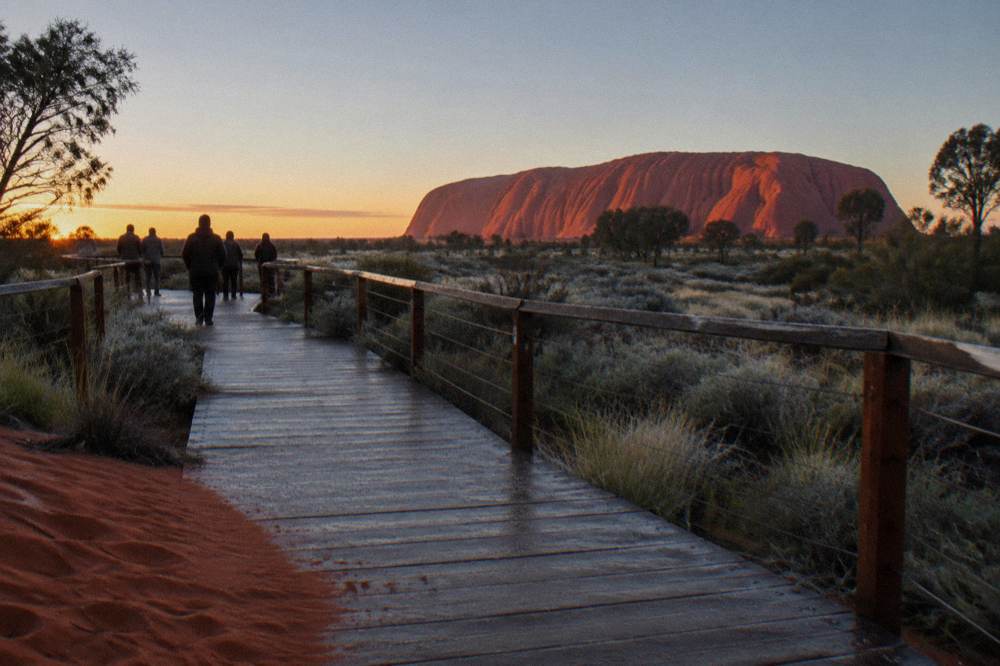
Sunset works the other way: the car and bus sunset areas near Uluru are the classic spots, and they are big, tiered and designed for crowds. Arrive early in winter, when the park's hours table shows closing as early as 7.30 pm, because the window between golden light and gate closure is short. The park changes its hours monthly, from 5.00 am to 9.00 pm in the December-to-February summer to 6.30 am to 7.30 pm in the June-July winter, so check the current month before you plan a viewing evening.
| Viewing area | Best for | Access | Notes |
|---|---|---|---|
| Talinguru Nyakunytjaku | Sunrise over Uluru | Drive-up, boardwalks | Main sunrise platform, fills early |
| Kata Tjuta dune | Sunrise with Uluru and Kata Tjuta together | Drive-up, short dune walk | Two landmarks in one frame |
| Uluru car sunset area | Sunset, self-drive visitors | Drive-up | Classic front-row sunset spot |
| Uluru bus sunset area | Sunset, tour groups | Drive-up | Widest tiered platform |
| Kata Tjuta sunset area | Sunset over the domes | Drive-up, 50 km by road from Uluru | Quietest of the five |
The one thing the free areas cannot give you is a bed at the rock after dark, or a meal. That is exactly the gap the resort's paid products fill, sold direct by Ayers Rock Resort with no booking card here: Sounds of Silence from $295 adult, and Field of Light, more than 50,000 solar-powered spheres by artist Bruce Munro, running since 2016 and extended through 2029, with General Admission from $50 adult. A sunrise tour with a transport element from the tour roster, such as the Field of Light Sunrise Tour with Hot Drinks from AAT Kings at from A$115 per person, rated 4.6 from 677 reviews, sits between the two: it pairs the free-viewing-area idea with pickup and hot drinks.
The Free Uluru-Kata Tjuta Cultural Centre
The Uluru-Kata Tjuta Cultural Centre is free to enter, open 7.00 am to 5.45 pm every day, and holds the Tjukurpa Tunnel, the Nintiringkupai Information Room and spaces where Anangu art and craft are displayed and sold. It sits near the base of Uluru and makes an ideal first stop, because its exhibits frame everything you will walk past afterwards.
The Cultural Centre is the park's quietest free asset and many visitors under-use it. The Tjukurpa Tunnel introduces the creation stories in Anangu terms, with the park's careful framing, and the information room explains the park's joint management arrangement between Parks Australia and Anangu Traditional Owners. Spending an hour here before the base walk changes how you read the signed cultural sites along the track.
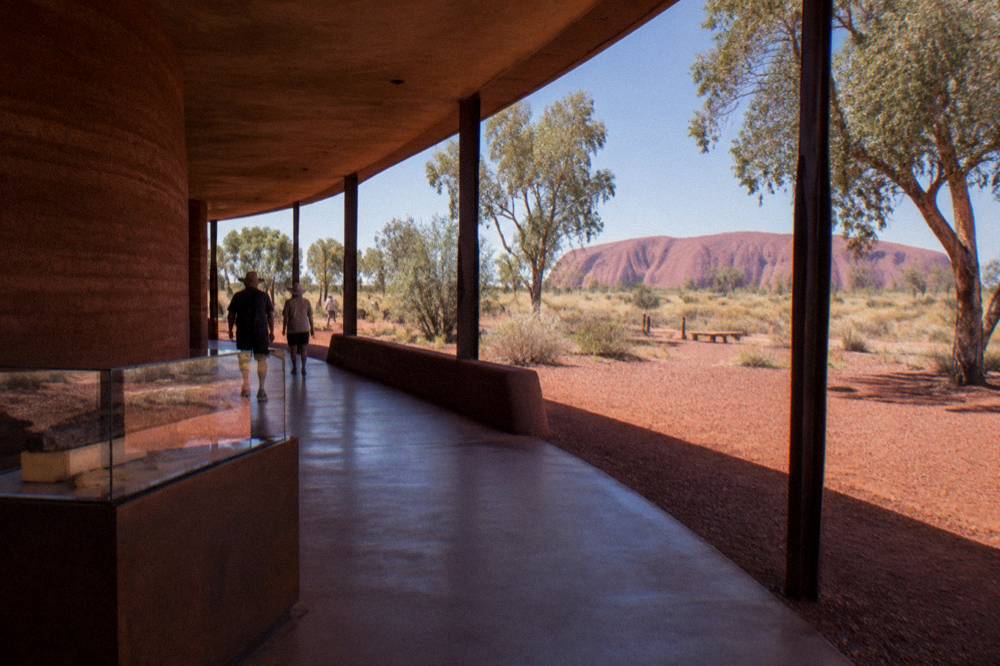
It is also where the practical free infrastructure lives. Staff can confirm the day's ranger activity times, current walking conditions and any general park notices, and the park advises all visitors to check its news page before travelling because the park occasionally closes areas or the whole park for cultural reasons, with conditions changing beyond that in extreme heat. Building the Cultural Centre into day one, rather than the last afternoon, is the single best free planning move available.
For context on what deeper paid cultural experiences look like, our guide to Aboriginal culture at Uluru covers the difference between park interpretation and guided experiences on Country. The free Cultural Centre is the floor; it is a genuinely good one.
When Free Is Enough, And When A Tour Adds Something
The free itinerary, pass, Mala walk, base walk, viewing areas and Cultural Centre, is enough for most visitors staying two or more days with a car. A paid tour adds real value in three specific cases: you have no transport from Yulara, you want expert interpretation rather than signage, or you want sunrise paired with breakfast and a private vantage point rather than a public platform.
Be honest about which case you are in. With a rental car and three days, the free plan plus one splurge is a common pattern, and the splurge usually goes to either a scenic flight or a dining experience. Without a car, the arithmetic changes immediately: the viewing areas and the Mala carpark are not walkable from Yulara, and the free options become unreachable without either a hire vehicle, the hop-on-hop-off bus, or a tour with pickup included.
| Situation | Free plan works? | What to add |
|---|---|---|
| Have a car, 2+ days | Yes, fully | Optional splurge: flight or dining |
| No car, any length | Partly, viewing areas hard to reach | Hop-on hop-off pass or a tour with pickup |
| Short stay, one morning | No, time is too tight | A sunrise tour with transport and breakfast |
| Want cultural depth | Partly | Ranger walk plus a guided cultural tour |
The three tours this site features for this itinerary cover the common gaps. The Highlights of Uluru Including Sunrise and Breakfast tour, from A$189 per person and rated 4.8 from 220 reviews, is built for the one-morning visitor: small group, pickup, sunrise, breakfast, done in 3 hours. The Best of Uluru Segway and Walking Tour from Uluru Segway Tours, from A$219 per person and rated 4.8 from 294 reviews, covers the base loop with a guide and a Segway, which converts a 10 km walk into an accessible half-day for people who could not otherwise manage the circuit. One guest review notes, "The Segways are so much fun and quite easy to get used to." The Bus Sunrise, Kata Tjuta Combo from AAT Kings, from A$186 per person and rated 4.6 from 603 reviews, adds Kata Tjuta, which is 50 km by road from Uluru and awkward without a vehicle. Our sunrise and sunset tours guide compares the full morning roster.
For transport-only needs, the hop-on hop-off pass below is the budget answer that keeps the rest of your itinerary free.
Planning A Free Day Around Park Opening Hours
Structure your free day around Uluru's monthly opening hours and the heat: in summer the park opens at 5.00 am and closes between 8.00 pm and 9.00 pm, while in the June-July winter it opens at 6.30 am and closes at 7.30 pm, so walk early, catch the rock at dawn and dusk, and spend the middle of the day in the Cultural Centre, open 7.00 am to 5.45 pm.
The hours table below comes from the park's own page, and the pattern is simple: gates move with the sun. The tightest windows are May to August, when the park closes at 7.30 pm, which pulls sunset viewing earlier and makes the sunrise platforms the safer bet. The widest windows are the summer months, which trade long evenings for serious heat and the walking restrictions that come with it.
| Months | Park hours | Best free plan |
|---|---|---|
| December to February | 5.00 am to 9.00 pm | Base walk at dawn, Cultural Centre midday, sunset by 7 pm |
| March | 5.30 am to 8.30 pm | Dawn walk, afternoon viewing |
| April | 5.30 am to 8.00 pm | Mala walk 8.00 am, sunset viewing |
| May | 6.00 am to 7.30 pm | Sunrise platform, Cultural Centre |
| June and July | 6.30 am to 7.30 pm | Mala walk 10.00 am, sunset early |
| August | 6.00 am to 7.30 pm | Sunrise, base walk from 6.30 am |
| September | 5.30 am to 7.30 pm | Dawn walk, Cultural Centre |
| October and November | 5.00 am to 8.00/8.30 pm | Earliest possible walk, long sunset window |
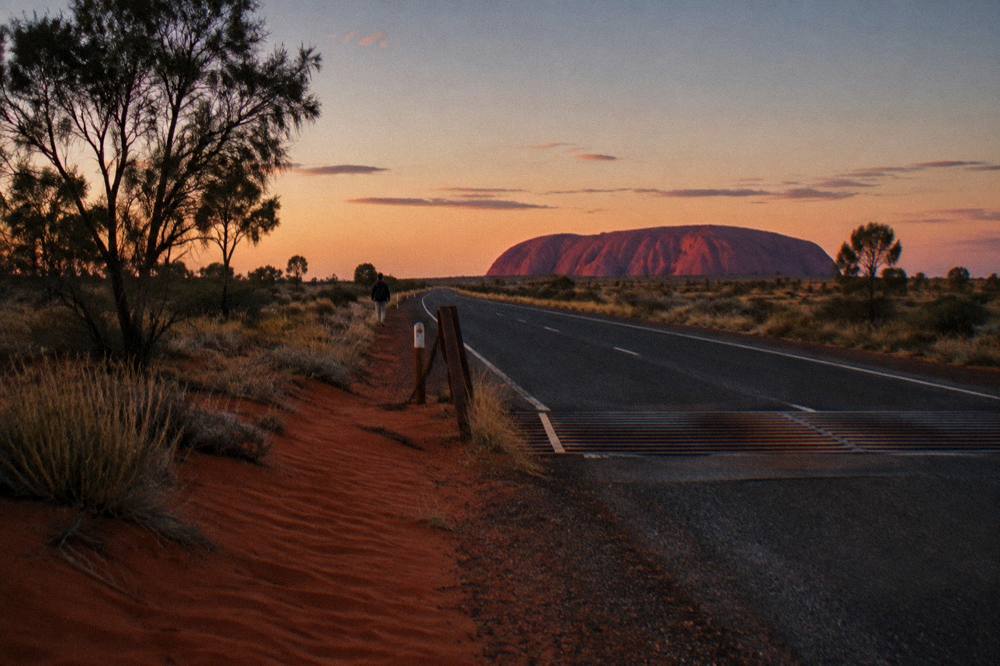
A workable free day in, say, October looks like this: sunrise at Talinguru Nyakunytjaku from 5.00 am, the ranger Mala walk at 8.00 am, the remaining base walk sections before 11.00 am, the Cultural Centre through the hot hours, and sunset from the car sunset area before the 8.00 pm closure. Add water, at least one litre per person per hour of walking, sun protection and a fly net from September to April, and the day costs exactly A$38 in pass fees per adult, nothing more.
Before the closing questions, here again are the three tours that pair most naturally with a free-first itinerary, each adding something the free options cannot: guided interpretation, transport from Yulara, or breakfast after sunrise.
Common Questions About Free Things To Do At Uluru
Is anything at Uluru actually free?
Yes, four things are free once you hold a park pass: the ranger-guided Mala walk, the 10 km base walk, the five sunrise and sunset viewing areas, and the Cultural Centre. The pass itself is not free; it is A$38 per adult for 3 days and children under 18 enter free.
Is the park pass included in a tour price?
No. Tour listings on this roster state the park pass fee separately, and the park requires it to be pre-purchased online before arriving at the entry station. Budget A$38 per adult on top of any tour you book.
Is there a free walking tour at Uluru?
There is no free or pay-what-you-want walking tour operating at Uluru or in Yulara. The closest free option is the ranger-guided Mala walk, which the park runs daily for park visitors at no extra charge.
Can you see sunrise and sunset for free at Uluru?
Yes. The park's five dedicated viewing areas, Talinguru Nyakunytjaku and the Kata Tjuta dune for sunrise, and the Uluru car, Uluru bus and Kata Tjuta sunset areas for sunset, are free to pass holders and need no booking.
How long does the free base walk take?
The full base walk is about 10 km and takes most walkers 3 to 4 hours. The park advises starting at the Mala carpark early in the morning, walking clockwise, and finishing before 11.00 am in hot weather.
What does the Cultural Centre cost?
Nothing. The Uluru-Kata Tjuta Cultural Centre is free to enter and open 7.00 am to 5.45 pm every day, housing the Tjukurpa Tunnel and the Nintiringkupai Information Room.