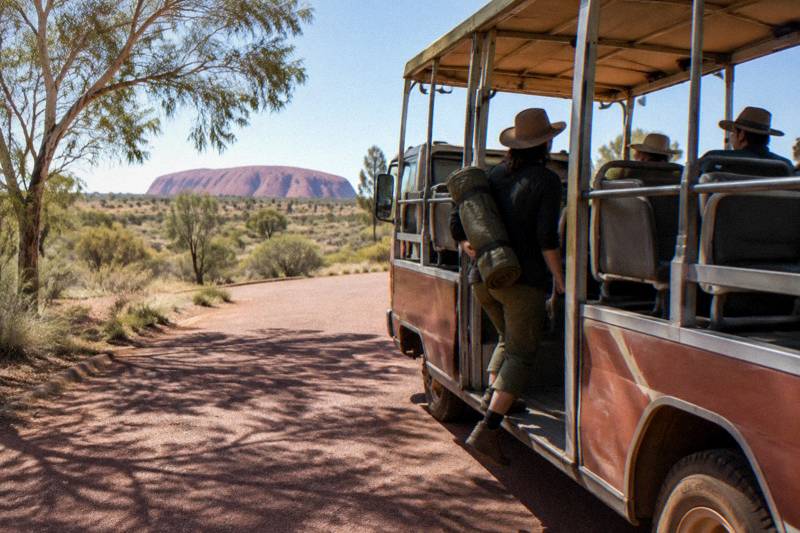
What Is The Cheapest Way To Visit Uluru?
A budget breakdown for Uluru: the $38 park pass, the free ranger-guided Mala walk, the Cultural Centre, and the lowest from-price tours on the current roster.
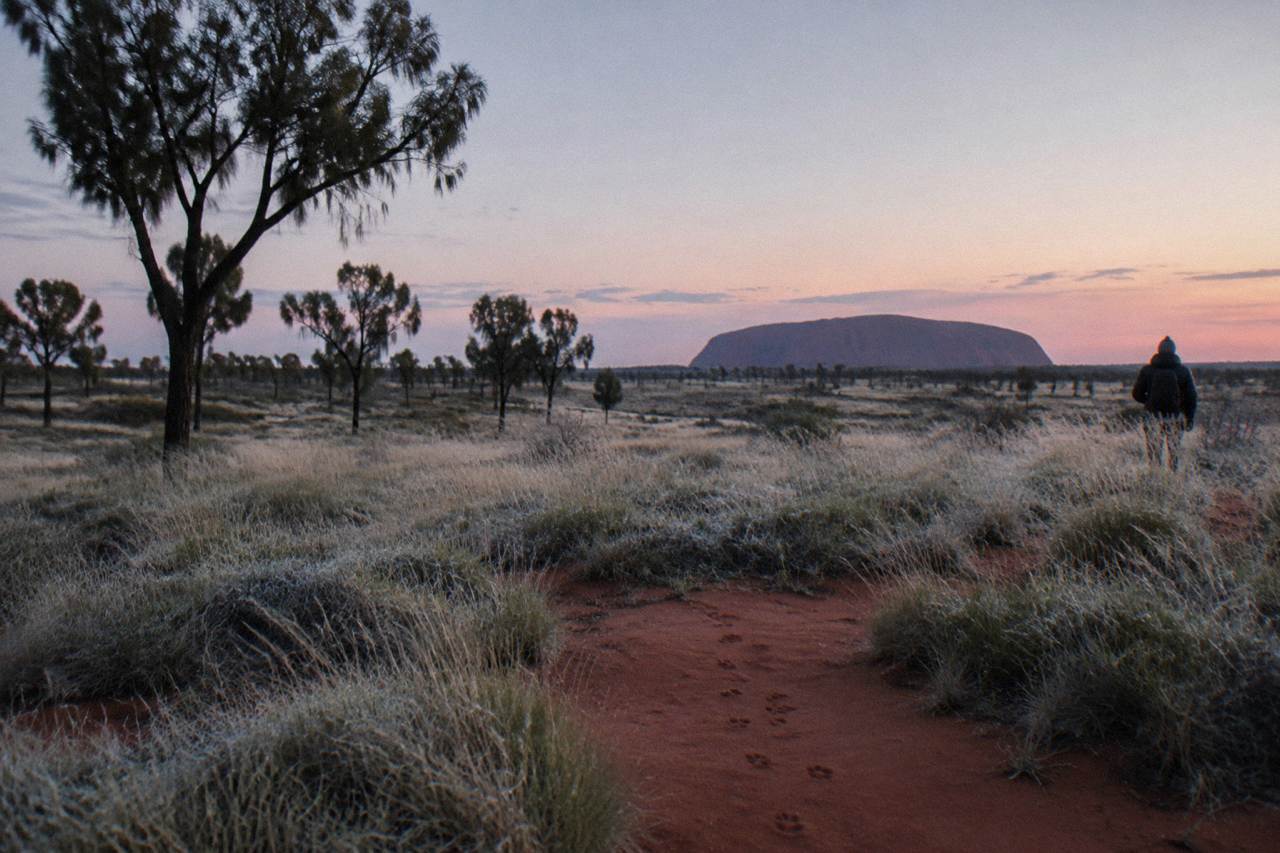
The cheapest way to visit Uluru is to buy the park pass, walk the free tracks and self-drive or share transport: the adult pass is $38 for three days, the base walk and the Cultural Centre cost nothing beyond that pass, and the ranger-guided Mala walk is free for park visitors. The cheapest roster tour is the Field of Light Sunrise Tour with Hot Drinks from A$115 per person, and the Hop-On Hop-Off Pass from A$140 covers transport between the sights. If you would rather skip guided walks altogether, our guide on doing the Uluru base walk without a tour explains what the pass covers and when heat rules close sections of the track.
Uluru is not a cheap destination to reach, and no honest budget guide should pretend otherwise. Flights, accommodation and the resort's famous dinners can swallow a week's wages fast. But once you are standing at Yulara, the gap between a bare-bones visit and an expensive one is wide, and it is mostly a matter of choices, not unavoidable costs. The rock itself, all 348 metres of it, is accessible on foot to anyone holding a park pass and carrying water.
This article breaks the trip into its real cost blocks: the pass, the free activities inside the park, the lowest-priced booked tours on the current roster, and the transport decisions that usually matter more than any tour price. Every figure here comes from the park's own pages or the verified tour listings; where a cost genuinely cannot be pinned down, such as airfares, we say so rather than invent a number.
What Is The Cheapest Way To Visit Uluru?
The cheapest honest formula is: one $38 adult park pass for three days, the free base walk and Cultural Centre, the free ranger-guided Mala walk, self-catered food from Yulara, and either a hire car or the Hop-On Hop-Off Pass from A$140 per person for getting around. That combination delivers the sunrise platforms, the full 10 km base walk and the Cultural Centre for a two-figure park fee plus transport, before you spend a single dollar on a guided product. If you're planning your day around that free circuit, the full timing breakdown for walking around Uluru explains how many hours to set aside and how guided options compare.
The park pass is the one unavoidable cost, and it is smaller than most visitors expect. An adult pass costs $38 for three consecutive days, or $50 for an annual pass, and everyone under 18 enters free. The pass covers Uluru-Kata Tjuta National Park only, and the tour listings state the fee separately from the tour price, so it must be pre-purchased online and scanned at the entry station. Details and the purchase link are on the park's official pass page.
Everything inside the gate after that is either free or optional. The base walk, the sunrise and sunset viewing areas, the Cultural Centre and the ranger-guided Mala walk all cost nothing extra, a point we return to in full below. Where budget travellers typically overspend is on stacking paid experiences they do not need, three dinners, two tours and a flight, when one or two well-chosen products would have covered the same ground. The guides on free things to do at Uluru expand the no-cost side of this in detail.
How Much Does The Park Pass Really Cost?
An adult pass costs $38 for 3-day entry or $50 for an annual pass, and children under 18 enter free of charge. Either pass covers Uluru-Kata Tjuta National Park only, so it cannot be used at any other park or attraction. There is no way around this fee for visitors, and no tour on the roster bundles it in: the listings print it as a separate item and require it to be bought online before arrival. For a family with children, the pass is effectively two adult tickets, since everyone under 18 walks through free. For a couple staying three days, the total entry cost is $76, which is less than a single resort dinner seat.
That three-day window matters for planning. A pass bought for a Monday morning covers Monday, Tuesday and Wednesday, which is enough time for the base walk, a Kata Tjuta day and a slow Cultural Centre morning without rushing. The shorter your trip, the more the $38 gets diluted per day; on a one-night fly-in itinerary it is a single-day cost, which is the least efficient use of it. Northern Territory residents in a registered NT vehicle can buy a $109 annual pass covering the driver and all passengers, though that does not apply to hire cars or tour vehicles.
The pass revenue is reinvested in the park, and the entry station accepts a QR code on your phone, so there is no need to print anything. Buy it online before you arrive, because the queue at the entry station in the pre-dawn rush can eat the first light of your first morning, which is the cheapest and best light you will get all trip. Two practical notes from the park's own pages: the park closes at night with seasonal hours, and all visitors must be out by closing time, so night-sky photography happens outside the gate, typically from the dune lookout beside the Lasseter Highway. The budget cost breakdown in our tour prices post lines up the pass against the tour prices if you want the full stack in one table.
What Can You Do At Uluru For Free?
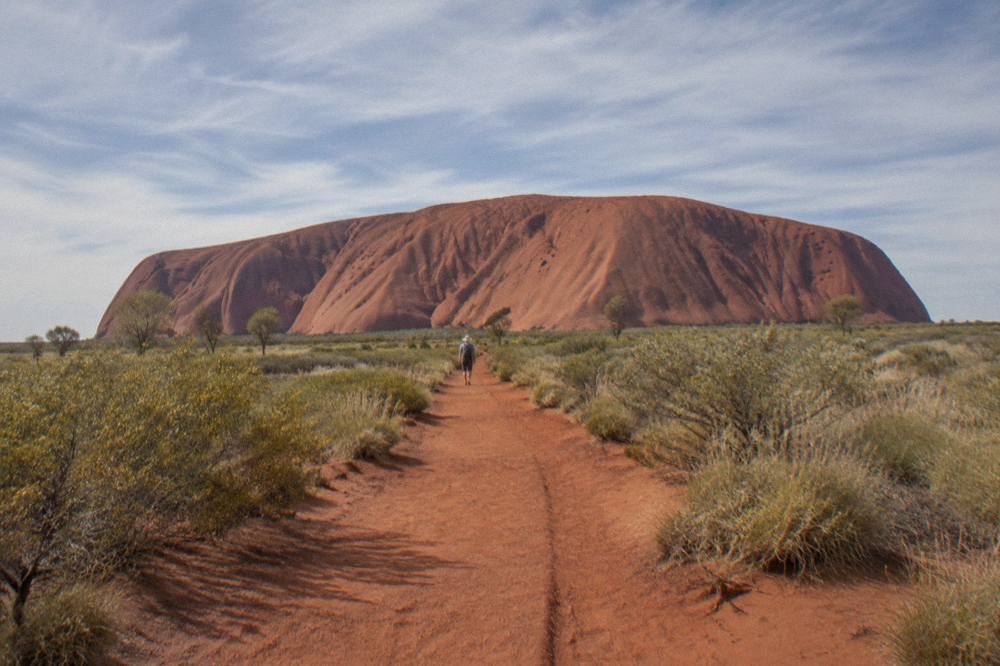
With a park pass in hand, the free list is substantial: the 10 km base walk, the Mala walk to Kantju Gorge, the Kuniya walk to Mutitjulu Waterhole, the five sunrise and sunset viewing areas, and the Cultural Centre with its Tjukurpa Tunnel. The ranger-guided Mala walk is also free for park visitors, running at 8.00 am from October to April and 10.00 am from May to September, according to the park's ranger-guided activities page.
The base walk is the centrepiece and it costs nothing. It runs about 10 km around the whole circumference, and the park recommends starting at the Mala carpark in the early morning and walking clockwise. In hot weather you should walk only in the cooler morning hours and finish before 11.00 am, and the park's safety guidance is to carry at least one litre of water per person per hour. Those are the only real costs of the walk: time, water and an early alarm.
| Free activity | What it involves | Conditions |
|---|---|---|
| Uluru base walk | About 10 km loop from Mala carpark, clockwise | Start early; finish before 11.00 am in heat |
| Ranger-guided Mala walk | 2 km return to Kantju Gorge with a ranger | 8.00 am Oct to Apr, 10.00 am May to Sep |
| Cultural Centre | Exhibitions, Tjukurpa Tunnel, information room | Open 7.00 am to 5.45 pm daily |
| Sunrise and sunset viewing areas | Five dedicated platforms, two sunrise and three sunset | Park closing hours apply |
| Kuniya walk | Short walk to Mutitjulu Waterhole | Respect signed cultural zones |
Two free things carry conditions worth knowing. First, the Cultural Centre is where the visit gets its meaning cheaply: it is free to enter and open every day, and it frames Anangu, the Traditional Owners, as the people whose law and culture the park exists to protect. Give it the first hour of one morning, before the coaches arrive, and every walk you do afterwards reads differently. Second, the sunrise and sunset platforms are free but not private; the bus sunset area fills with tour coaches in the late afternoon, and arriving early with your own snacks turns a paid-tour moment into a free one. Neither activity requires a booking, a guide or a card, which is exactly why a budget visit works here at all.
A small practical point about photography on the free walks: culturally sensitive sites at Uluru and Kata Tjuta are clearly signed, and photographing those specific spots is prohibited, while wide shots from a distance are fine. Drones are prohibited in the park entirely under the EPBC Act, so leave the aerial ambitions to the licensed helicopter operators. Knowing the photo rules in advance costs nothing and avoids an uncomfortable conversation on an otherwise free morning.
Which Booked Tours Cost The Least?
The cheapest tours on the current roster are the Field of Light Sunrise Tour with Hot Drinks from A$115 per person, the Hop-On Hop-Off Pass from A$140 per person, and the 3-Hour Small Group Kata Tjuta Afternoon Tour from A$185 per person. Above those, the standard coach sunrise and sunset tours start from A$186, and prices climb through the small-group SEIT products to the multi-day camping tours from A$765. In other words: the floor for a guided experience at Uluru is barely three times the park pass itself.
The Field of Light sunrise option deserves a closer look for budget travellers, because it bundles an unusual amount into two hours. It is rated 4.6 from 677 reviews, it includes hot drinks, and it puts you among the more than 50,000 spheres of Bruce Munro's installation, which has been running since 2016 and is extended through 2029. A guest review describes the experience simply; many reviewers note that the dawn light over the field is the quieter, cheaper way to see it compared with the resort's own dinner packages. Other pages covering the same trip are gathered on Uluru Australia Tours.
For transport rather than guidance, the Hop-On Hop-Off Pass from A$140 is the budget workhorse. Rated 4.5 from 154 reviews, it connects the resort, the rock's walking trailheads and the Kata Tjuta viewing areas on a hop-on basis, which pairs perfectly with the free activities above: pass for movement, legs for the walks, Cultural Centre for context. It suits travellers who want the sunrise platform one morning, the base walk the next and Kata Tjuta on day three without paying for three separate guided tours. The bus sunrise combo is the step up when you want a guide's commentary included.
One honest note on the cheap end: the resort's own light shows and dinners, Sounds of Silence from $295 and Tali Wiru from $455, are sold direct by Ayers Rock Resort and are not budget products, whatever the occasion. They can be described, admired and saved for a splurge, but no booking button for them belongs in a cheapest-way article. The budget answer is the A$115 sunrise field visit or the free viewing areas and a supermarket picnic.
Is Flying Or Driving To Uluru Cheaper?
There is no single answer, and no honest figure can be printed: airfares to Ayers Rock Airport vary constantly, and the drive from Alice Springs is 465 km, about 5.5 hours each way, with fuel and possible car hire as the comparable costs. What can be stated firmly is the structure of the choice. Qantas, Virgin Australia and Jetstar fly direct to Ayers Rock (Connellan) Airport from Sydney, Melbourne, Brisbane and Cairns, and rental cars are available at the airport terminal from providers including Avis, Thrifty, Dollar and Hertz, though supply in Yulara is limited and should be booked ahead.
The fly-in option trades money for time. Landing at Yulara puts you minutes from the resort, the hop-on network and every tour departure point, since every roster tour except the Alice Springs camping tour departs from Yulara. The drive-in option, arriving via Alice Springs and the 5.5-hour road leg, suits travellers already exploring the Red Centre, but it adds at least a day in each direction and, for a short trip, that extra day of food and accommodation can quietly exceed the airfare gap. Our guide to reaching Uluru works through the routes in detail.
For a pure budget calculation, the honest framing is this: compare the airfare against fuel plus car hire plus the extra nights the drive demands. Whichever side wins, the in-park costs do not change: the pass is $38, the walks are free, and the cheapest tours start at A$115. Getting there is the variable; being there is close to fixed. Coach transfers from Alice Springs also exist at roughly five hours, but they sit outside this roster, so we print no price for them here.
| Cost block | Budget approach | Cheapest verified figure |
|---|---|---|
| Park entry | 3-day adult pass, children free | $38 adult |
| Getting around | Hop-On Hop-Off Pass, from | A$140 per person |
| Guided experience | Field of Light sunrise with hot drinks, from | A$115 per person |
| Kata Tjuta half day | 3-hour small group afternoon tour, from | A$185 per person |
| Full walking day | Bus sunrise and Kata Tjuta combo, from | A$186 per person |
| Food | Self-catered from Yulara supplies | Not fixed; plan your own |
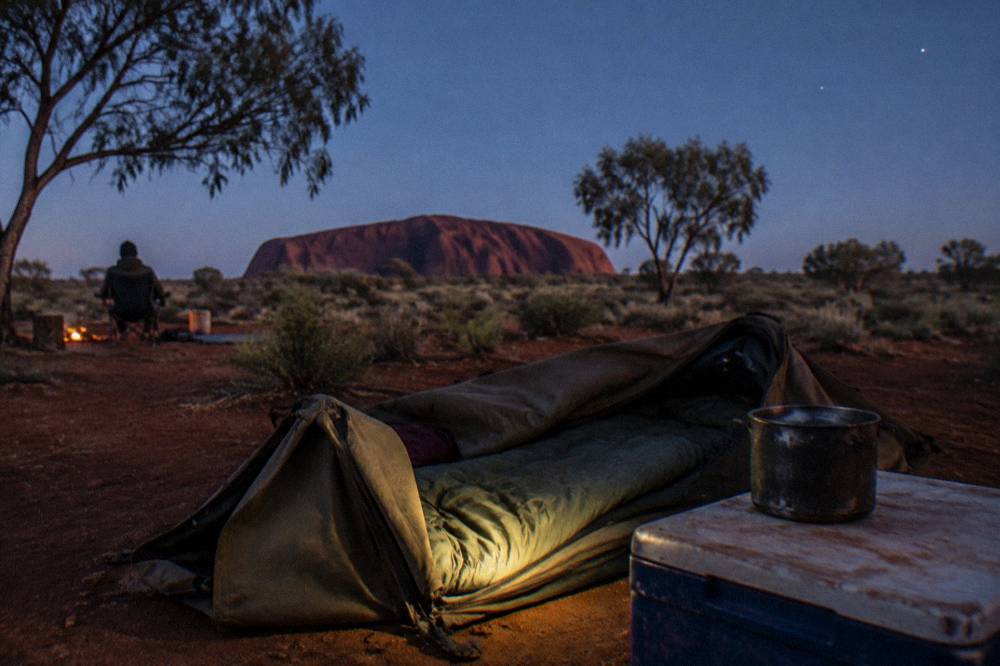
Accommodation is the other quiet variable, and it deserves the same honesty. No nightly rate can be responsibly quoted from memory, but the structure is known: Ayers Rock Campground is the budget end of the official resort list, with powered and unpowered sites, and a swag under the desert sky costs a fraction of a hotel room. Our Uluru accommodation guide covers the full spread, from the campground to Longitude 131, and where the value sits for each budget tier. Cooking your own food at the campground is the single biggest daily saving available after transport, and it pairs naturally with the picnic-at-sunset strategy.
Where Do Budget Visitors Usually Overspend?
Budget visitors usually overspend in three main ways: stacking dinner reservations on top of each other, booking duplicate tours that cover the same ground twice, and missing the free ranger walk entirely. Each of these mistakes is avoidable with a little planning before arrival. The resort's dining experiences are the headline: Sounds of Silence starts at $295 per adult and Tali Wiru at $455, both sold direct by the resort, and neither is necessary for a complete Uluru visit. A picnic at the sunset platform, from food bought at Yulara, delivers the same silhouette for the price of groceries. Add a second night of the same discipline and the savings against one resort dinner can fund a helicopter flight or an extra park day.
Duplicate tours are the quieter leak. Booking both a sunrise coach tour and a sunset coach tour, both from A$186, covers two beautiful hours but repeats the transport and the viewing-area experience. One combined option, or one guided morning paired with free afternoons, achieves the same coverage. The five-hour Bus Sunrise, Kata Tjuta Combo from A$186, rated 4.6 from 603 reviews, is the classic single-ticket answer; a guest review praises the guides by name for keeping the day prompt and enjoyable. Travellers who want culture rather than scenery could instead put their single budget toward a small-group product like the Aboriginal Homelands Experience from A$399, which one review calls a true privilege for time spent on private Aboriginal land with an Anangu guide.
The third leak is simply not knowing what is free. Travellers who miss the ranger-guided Mala walk, the Cultural Centre or the fact that the viewing platforms need no ticket often conclude that Uluru requires a tour for every hour, and budget accordingly, expensively. Spend an hour on the park's own pages before you go; the Cultural Centre page alone will reshape your morning plans at zero cost. Heat planning matters too: the park advises avoiding walking between 2.30 pm and 6.30 pm in summer, which conveniently pushes budget visitors toward the free dawn activities anyway.
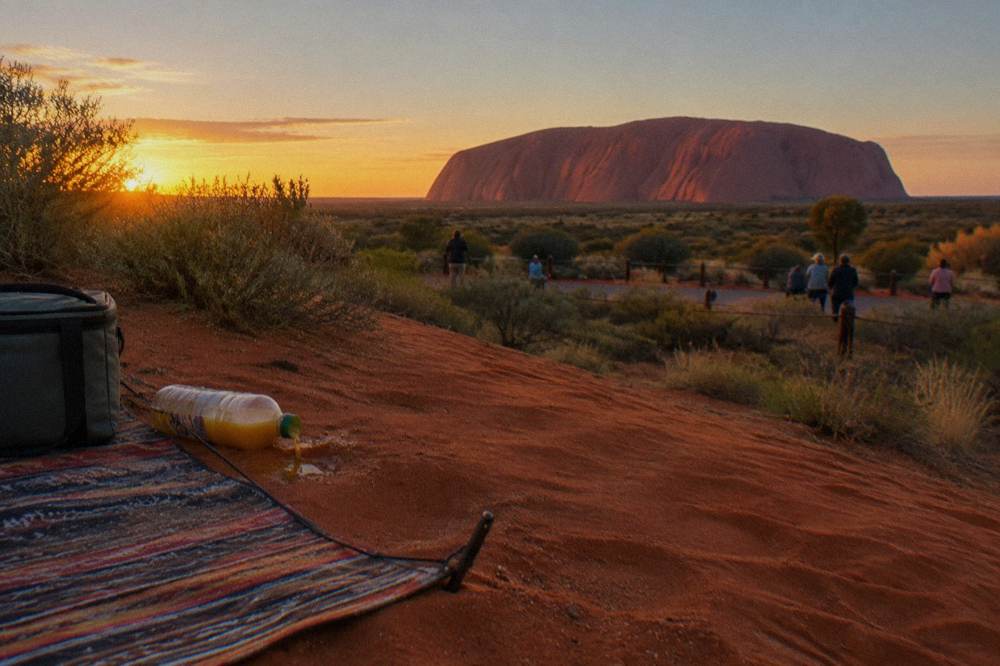
A final honest caveat on seasons. May to September is the comfortable window, with daytime maximums usually 20 to 30 C, and the same free walks that are pleasant in July become serious undertakings from October to March, when temperatures can exceed 35 C daily and the park closes certain walks in extreme heat. The cheapest month is not always the wise one; a winter visit lets you use the free infrastructure fully, while a summer visit may push you toward short booked experiences simply for safety. The trade-offs are laid out in our piece on the best time to visit Uluru.
Common Questions About Visiting Uluru On A Budget
What Is The Cheapest Way To Visit Uluru?
Buy the $38 adult park pass, use the free base walk, Cultural Centre and ranger-guided Mala walk, and get around on the Hop-On Hop-Off Pass from A$140 per person. Add at most one low-cost tour, such as the Field of Light sunrise visit from A$115, and self-cater from Yulara.
Can you visit Uluru without a tour?
Yes. The base walk, the sunrise and sunset viewing areas and the Cultural Centre all need only the park pass, and the ranger-guided Mala walk is free for park visitors. A tour adds transport, commentary and meals, which is a comfort rather than a requirement.
Is the park pass included in tour prices?
No. Tour listings state the $38 adult 3-day fee separately and require it to be pre-purchased online. Children under 18 enter the park free, so a family pays only for the adults.
What is the cheapest tour at Uluru?
The Field of Light Sunrise Tour with Hot Drinks starts from A$115 per person and runs two hours with a 4.6 rating from 677 reviews. The next cheapest roster option is the Hop-On Hop-Off Pass from A$140 per person.
Is it cheaper to fly to Uluru or drive from Alice Springs?
It depends on fares, fuel and car hire, none of which can be honestly quoted as fixed figures. Flying into Ayers Rock Airport saves at least a day in each direction compared with the 465 km, roughly 5.5-hour drive, and that saved day has its own accommodation and food costs.
When is the cheapest time to visit Uluru?
Outside the May to September peak, prices and crowds tend to drop, but October to March brings heat above 35 C on many days and some walks close in extreme conditions. The park itself costs the same $38 year round, so the real savings come from accommodation and flights, which vary by season.